
If you've been thinking about starting a podcast, chances are you've already spent hours watching YouTube videos, reading blog posts and comparing microphones.
I know because I did the same thing.
It's easy to believe that you need the perfect setup before you can record your first episode. A better microphone. A professional studio. Expensive editing software.
The truth is, you don't.
When I started the Let's Talk Agriculture Podcast in 2021, I wasn't thinking about monetization, sponsorships or building a business. I simply wanted to create a platform where people in the agriculture industry could share stories that weren't getting enough attention.
That mission was bigger than the equipment I had.
At the time, I didn't own a professional microphone. I didn't have a studio. I started with my mobile phone and a pair of earbuds.
Looking back, I'm glad I didn't wait until everything was perfect — because I probably would have spent years preparing instead of publishing.
Podcasting also felt natural to me. Ironically, I'm an introvert. I've never really enjoyed being in the spotlight or standing in front of a camera. Audio gave me the freedom to share ideas, ask questions and have meaningful conversations without worrying about lights, lenses or how I looked on screen.
Before podcasting, I tried writing blogs, but I quickly realised I expressed myself much better through conversations than through writing. Talking came naturally, and podcasting became the platform that allowed me to do that consistently.
Today, the podcast has grown into something I never imagined when I recorded that first episode. It has led to partnerships, clients, speaking opportunities and the business I now run.
But none of that would have happened if I had waited for the perfect moment.
So if you're wondering how to start a podcast in 2026, I'd like to share what I've learned from my own journey — not as someone who has everything figured out, but as someone who started with very little, kept showing up and learned along the way.
Start With a Reason, Not a Microphone
Before you think about microphones, editing software or podcast artwork, ask yourself one simple question:
“Why do I want to start a podcast?”
For me, the answer was clear. I wanted to tell the untold stories in the agriculture industry. During the pandemic, I kept asking myself what I could contribute to the sector. I wasn't farming. I wasn't producing food. But I knew I could have conversations, tell stories and create a platform where people doing important work could be seen and heard.
That became the foundation of the Let's Talk Agriculture Podcast.
I didn't start because I wanted thousands of downloads. I didn't start because I wanted to make money. I didn't even start because I wanted to build a personal brand. I started because I had a reason that mattered to me.
Looking back, I think that's one of the biggest reasons I've been able to stay consistent. Your reason becomes your anchor.
There will be days when hardly anyone listens. Days when you're tired. Days when you wonder if it's worth recording another episode. If your only motivation is numbers, you'll probably quit. But when your podcast is connected to something you genuinely care about, it's much easier to keep going.
Your reason doesn't have to be the same as mine. Maybe you're a business owner who wants to educate customers. Maybe you're a consultant who wants to share your expertise. Maybe you're passionate about sports, books, technology or finance. Whatever it is, own it.
Don't start a podcast because everyone else is starting one. Start because you have something you genuinely want to contribute.
Before you move on, ask yourself
- →Why do I want to start a podcast?
- →Who do I want to help?
- →What conversations do I want to create?
- →If nobody paid me for the first year, would I still enjoy doing this?
If your answer is yes, you’re already on the right path.
Talk About What Comes Naturally
One of the biggest questions people ask is: "What should my podcast be about?" My answer is usually another question.
“If someone woke you up from sleep and asked you to talk for ten minutes, what would naturally come out of your mouth?”
That's probably your answer.
When I started the Let's Talk Agriculture Podcast, I already knew what I cared about. I wanted to tell stories from the agriculture industry. That clarity made every other decision easier — I knew who I wanted to speak to, the kinds of guests I wanted to invite and the conversations I wanted people to hear.
You don't have to choose a topic because it's popular. Choose something you're genuinely interested in. Something you'd still enjoy talking about even if only a few people were listening. Your enthusiasm is difficult to fake. People can tell when you're talking about something you truly enjoy.
You also don't have to be the world's leading expert. You simply need to be willing to learn, ask good questions and keep showing up.
If you're still unsure, write down five topics you could comfortably talk about without spending hours researching. Then ask yourself:
- Which one excites me the most?
- Which one could I still be talking about a year from now?
- Which one allows me to bring value to other people?
Choose one. Start. You can always refine your podcast as you grow.
Start With What You Have
One of the biggest mistakes beginners make is believing they need expensive equipment before they can start.
You don't.
When I launched the Let's Talk Agriculture Podcast, I had my mobile phone and a pair of earbuds. That was enough. As the podcast grew, I upgraded my equipment.
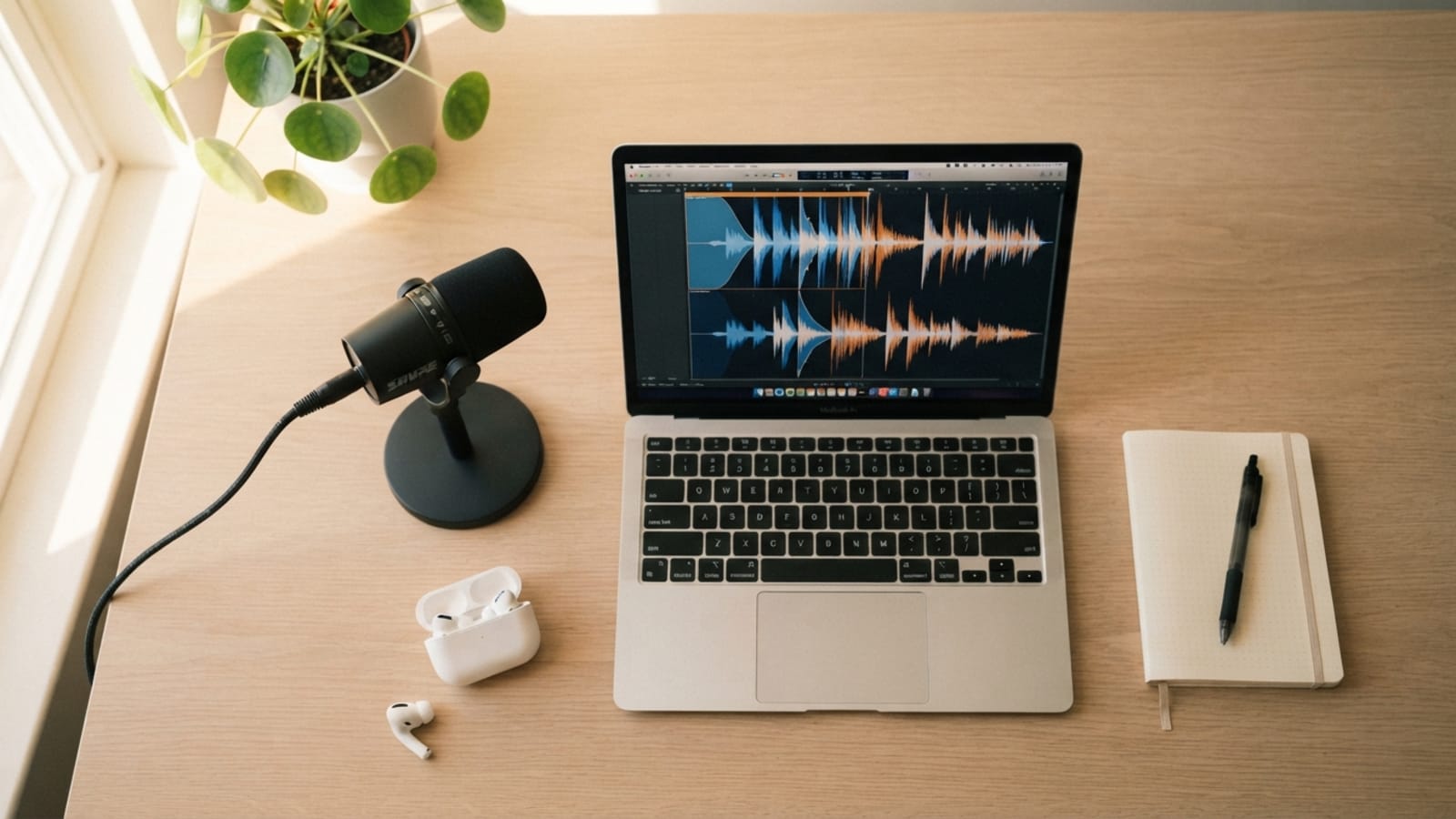
Today, my main microphone is the TAKSTAR PC-K200, which I use with a simple sound card. I also use a USB microphone for quick recording sessions. But here's something that surprises people — I still record with my phone. If I'm travelling or away from my workstation, I'll use my phone because I'd rather capture a great conversation than wait until I get back home.
Equipment matters. But consistency matters more. You'll probably be tempted to buy an expensive microphone before you've even published your first episode.
“Record first. Improve later.”
One more thing I'd encourage every beginner to do is record at least three episodes before publishing your first one. Your first episode won't be your best. Neither will your second. Recording a few episodes before launching gives you room to improve without the pressure of an audience listening to every mistake. It also helps you build consistency — instead of rushing to create a new episode every week, you'll already have a few ready to publish.
My current setup
- Main microphone: TAKSTAR PC-K200 with a simple sound card
- USB microphone for quick plug-and-play recording
- Mobile phone — still use it whenever I'm travelling or away from my workstation
The equipment has changed over the years. The habit of pressing record hasn't.
Want more practical guidance?
Podcast Monetization Playbook
This article covers the fundamentals of starting a podcast. If you’re also thinking about turning your podcast into clients, partnerships and revenue, I put together a practical guide with the strategies I’ve tested since launching in 2021.
Choose a Podcast Hosting Platform
Once you've recorded your episodes, you'll need somewhere to host your podcast. A podcast hosting platform stores your episodes and distributes them to platforms like Spotify, Apple Podcasts and Amazon Music.
If you're looking for a free option, Spotify for Creators is a good place to begin. It's easy to use and allows you to publish your podcast without paying, although the analytics are more limited than dedicated podcast hosting platforms.
If you want an all-in-one solution, I'd recommend Podbean. You can record, edit, add background music, include your intro and outro, merge audio files and publish your episodes from one platform.
I currently use Podcastics because it fits the way I work. It gives me the tools I need to manage, publish and grow my podcast. Another reliable option is Libsyn, one of the longest-running podcast hosting platforms available.
Whichever platform you choose, don't spend weeks trying to find the perfect one. Choose one. Learn it. Publish your first episode. You can always switch later.
Final Thoughts
Starting a podcast isn't about having the best equipment. It's about having something worth talking about.
If I had waited until I could afford a studio and professional equipment, I probably wouldn't have started the Let's Talk Agriculture Podcast when I did. Instead, I started with my phone, a pair of earbuds and a simple goal. Everything else came later.
If you've been waiting for the perfect time, this is your reminder to stop waiting. Start with what you have. Record your first three episodes. Learn as you go. Keep improving.
One day, you'll look back at your first episode and smile — not because it was perfect, but because it was the episode that started everything.
“Press record. Then keep going.”
Ready for the Next Step?
Starting a podcast is one thing. Building one that creates opportunities is another. If you're serious about using your podcast to grow your business, attract partnerships or create new income streams, my Podcast Monetization Playbook will help you take the next step.
Inside the playbook, you'll learn:
- How to think about podcast monetization beyond sponsorships.
- Simple ways to turn conversations into business opportunities.
- Mistakes I made and what I'd do differently today.
- Practical ideas you can start testing immediately.